
Updated September 2026.
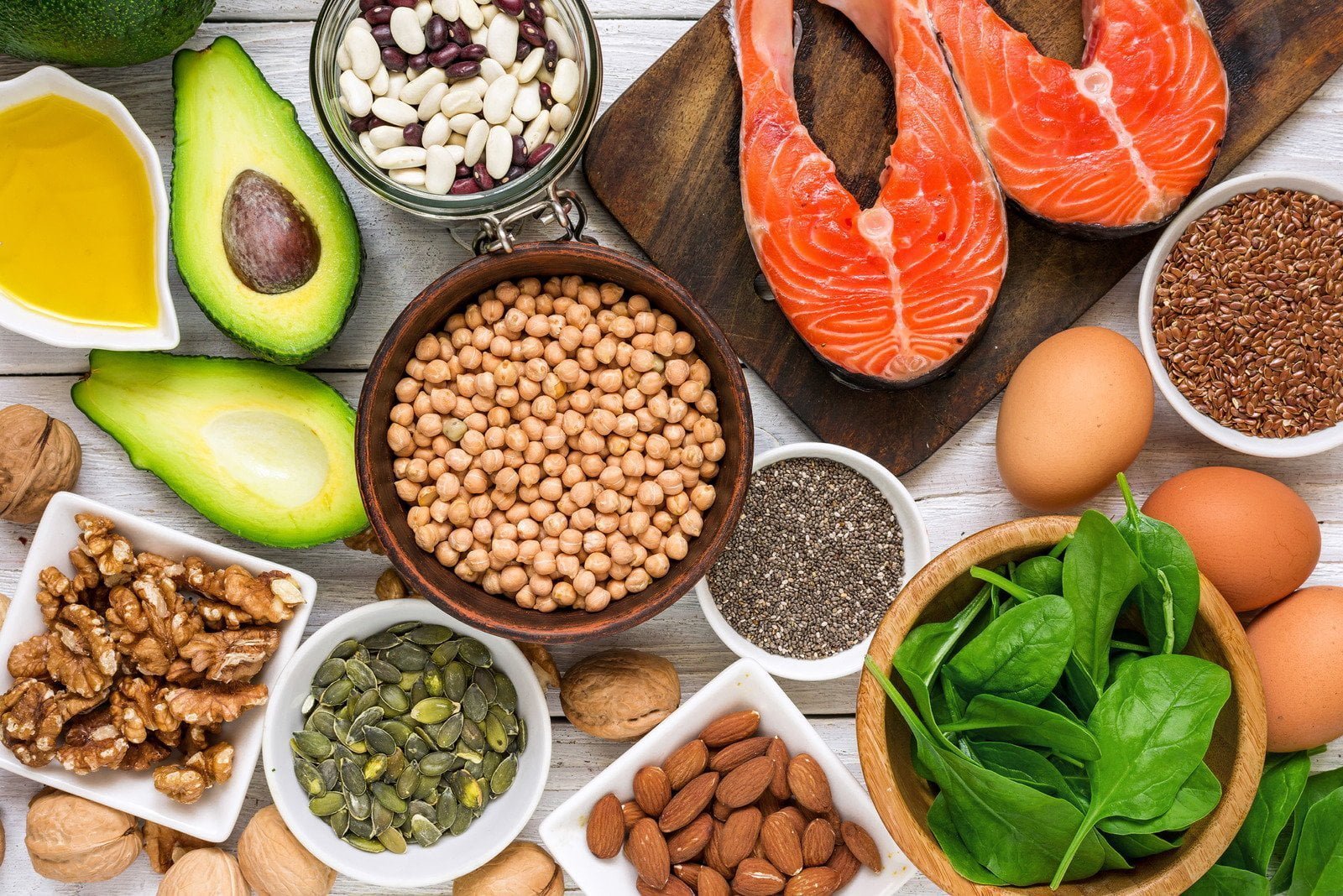
Omega-3 fatty acids, especially DHA and EPA, support children’s brain and eye development and support heart and immune health. The best sources are oily fish such as salmon and sardines. Plant foods like chia seeds, flaxseed, and walnuts add ALA, a different omega-3 that the body only partly converts to DHA and EPA. Below are eight omega-3-rich foods that suit children, how much omega-3 kids need, and what to do if your child doesn’t eat fish.
1. Salmon
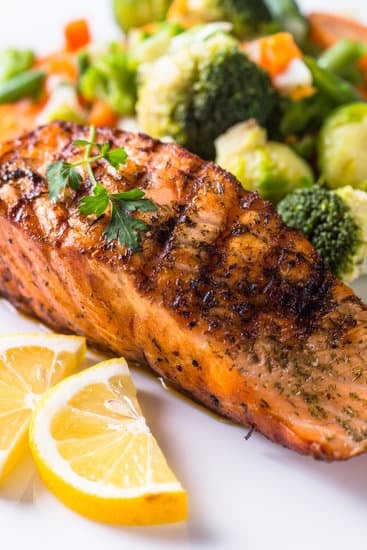
Salmon is one of the most highly recommended sources of Omega-3 fatty acids, making it an essential food for children. Here’s an in-depth look at why salmon is a standout choice:
Nutritional Profile of Salmon
Salmon is rich in Omega-3 fatty acids, specifically EPA (eicosapentaenoic acid) and DHA (docosahexaenoic acid), which are essential for heart health, brain development, and the immune system. It also contains an impressive range of other nutrients, including protein, B vitamins, vitamin D, magnesium, and selenium.
Health Benefits of Salmon
- Brain Development: The Omega-3 fatty acids in salmon support children’s cognitive development, improving memory, concentration, and learning.
- Heart Health: Regular consumption can lower cholesterol levels and reduce the risk of heart disease.
- Immune Support: Omega-3s support the immune system and may reduce inflammation.
- Bone Health: The vitamin D content in salmon helps to strengthen bones and teeth.
Creative Ways to Serve Salmon to Kids
Certainly! Serving salmon to children might be challenging if they’re picky eaters or not used to fish. But salmon is a versatile ingredient; with a little creativity, you can prepare it in ways most children will love. Here’s a list of creative ways to serve salmon to kids:
- Salmon Fish Sticks: Cut salmon into finger-sized pieces, bread them, and bake or lightly fry. Serve with a favorite dipping sauce like ketchup or homemade tartar sauce.
- Salmon Patties or Burgers: Combine flaked salmon with breadcrumbs, herbs, and spices to form patties, then grill or pan-fry. Serve on tiny buns with lettuce, tomato, and a tasty sauce.
- Salmon Pasta Salad: Toss grilled or baked salmon with pasta, veggies, and a child-friendly dressing like ranch or Italian dressing.
- Salmon Sushi Rolls (Cooked): If your child enjoys sushi, make simple rolls with salmon, avocado, cucumber, and sticky rice.
- Salmon Quesadillas: Mix salmon with cheese and fold it into a tortilla. Grill until crispy. Cut into triangles for a fun shape.
- Salmon and Cream Cheese Pinwheels: Spread cream cheese on a whole-wheat tortilla, add flaked salmon, roll it up, and slice it into little pinwheels.
- Salmon Mac and Cheese: Incorporate flaked salmon into mac and cheese for a protein boost.
- Salmon Pizza: Use salmon as a topping on homemade pizza with other favorite toppings.
- Baked Salmon Nuggets: Shape salmon into small nuggets, coat with breadcrumbs, and bake. Serve with dipping sauces.
- Grilled Salmon Kabobs: Thread salmon cubes with colorful veggies and grill onto skewers. Use age-appropriate skewers, or remove them for very young children.
- Salmon Wraps: Place flaked salmon in a wrap with shredded lettuce, cheese, and a mild salsa or yogurt sauce.
- Salmon Stuffed Potatoes: Mix baked salmon into mashed potatoes and stuff into potato skins or bell peppers, then bake until golden.
- Salmon and Veggie Pockets: Place a piece of salmon, some thinly sliced veggies, and a pat of butter in a foil packet and bake.
- Salmon Tacos: Serve flaked salmon in small taco shells with shredded lettuce, cheese, and a mild taco sauce.
- Salmon Risotto Bites: Mix flaked salmon into a risotto, shape it into small balls or patties, and bake until golden.
- Salmon and Cheese Muffins: Incorporate salmon into a savory muffin recipe with cheese and herbs.
- Salmon Breakfast Scramble: Mix flaked salmon into scrambled eggs with cheese and serve with toast.
- Salmon and Veggie Fritters: Blend salmon with grated vegetables like zucchini or carrots, form into patties, and pan-fry.
- Salmon Sushi Bowls (Cooked): Create a deconstructed sushi bowl with cooked salmon, rice, avocado, and other kid-friendly veggies.
- Salmon Dip: Make a mild salmon dip with cream cheese and herbs, and serve with crackers or vegetable sticks.
These ideas combine salmon’s health benefits with flavors and textures kids typically enjoy. Introducing salmon in familiar and fun ways might make it a new favorite in your family’s meal rotation.
Salmon’s rich Omega-3 content and other nutrients make it a valuable addition to a child’s diet. With various ways to prepare and serve it, it’s a versatile food for children of all ages. If your child is new to salmon, starting with familiar flavors and textures can make the introduction more appealing.
2. Eggs
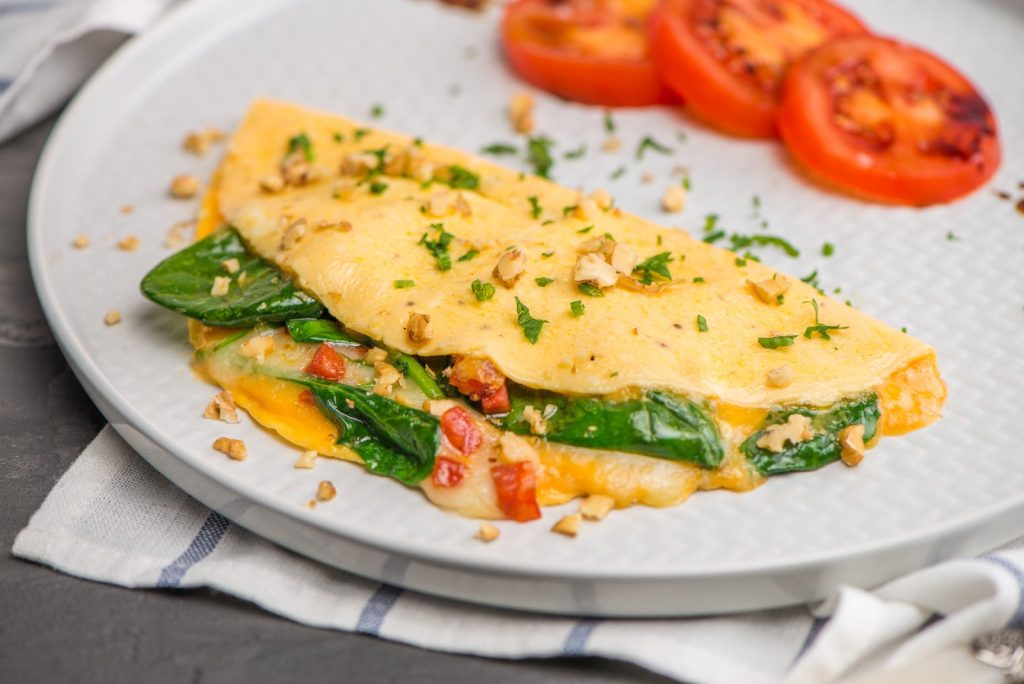
Eggs are another versatile and nutritious food source that can benefit children. Here’s a closer look at eggs, focusing on their nutritional content, health benefits, ways to serve them to kids, and other aspects.
Nutritional Profile of Eggs
Eggs are a powerhouse of essential nutrients, including:
- Omega-3 Fatty Acids: Some eggs, specifically those labeled as Omega-3 enriched, contain higher levels of Omega-3 fats. These are usually derived from hens fed Omega-3-rich diets, such as flaxseed.
- Proteins: Eggs are an excellent source of high-quality protein and contain all essential amino acids.
- Vitamins: Eggs are rich in vitamins A, D, E, B12, and riboflavin.
- Minerals: Contain essential minerals such as iron, zinc, and phosphorus.
Health Benefits of Eggs
- Brain Development: Omega-3 fatty acids in eggs contribute to brain development and function.
- Muscle Growth: Egg protein supports muscle growth and repair.
- Eye Health: Lutein and zeaxanthin, two antioxidants found in egg yolks, help protect eye health.
- Immune Support: Vitamins and minerals in eggs help boost the immune system.
Ways to Serve Eggs to Kids
- Scrambled Eggs: Soft and easy to eat, often favored by younger children.
- Omelets: Fill with vegetables and cheese for a nutritious meal.
- Hard-Boiled Eggs: Perfect for lunchboxes or as a snack.
- Baked Egg Muffins: With vegetables and meat for a balanced meal.
- French Toast: For a sweeter breakfast option.
Eggs are an inexpensive and widely available source of high-quality nutrients. The potential Omega-3 content in certain eggs adds value to a child’s diet. With so many ways to cook and serve them, eggs fit easily into daily meals. Whether hard-boiled for a snack or scrambled for breakfast, eggs offer a convenient way to provide essential nutrients, including Omega-3 fatty acids, to children’s diets. They are a staple food that fits into various culinary traditions and dietary preferences.
3. Sardines and Mackerel
Small oily fish are among the richest sources of the two most important omega-3s, DHA and EPA. A 3-ounce (85 g) portion of canned sardines provides roughly 0.7 g of DHA and 0.45 g of EPA, and Atlantic mackerel is similar. They also contain less mercury than larger fish, which is why the FDA and EPA list them among the best choices for children.
Ways to Serve Sardines and Mackerel to Kids
- Mash sardines with a little lemon and olive oil and spread on toast.
- Mix flaked mackerel into pasta sauce or rice.
- Make small fish cakes with potato and herbs.
4. Chia Seeds
Chia seeds are one of the best plant sources of omega-3 in the form of ALA. One ounce (about 2 tablespoons) contains around 5 g of ALA, more than a child’s daily need. The body converts only a small share of ALA into DHA and EPA, so plant sources work best alongside fish or a supplement.
Ways to Serve Chia Seeds to Kids
- Stir soaked chia seeds into yogurt or oatmeal. For young children, always soak them first.
- Make a simple chia pudding with milk and fruit.
- Add a spoonful to smoothies.
5. Ground Flaxseed
Flaxseed is another rich source of ALA: one tablespoon of whole flaxseed has about 2.3 g. Ground flaxseed is better than whole seeds because the body cannot break down whole seeds and absorb their omega-3.
Ways to Serve Flaxseed to Kids
- Sprinkle ground flaxseed over cereal or yogurt.
- Mix it into pancake, muffin or bread dough.
- Add it to hummus or labneh dips.
6. Shrimp
Shrimp is a popular seafood enjoyed worldwide. It’s known for its sweet taste and firm texture and is often used in various culinary dishes. Here’s a detailed look at shrimp:
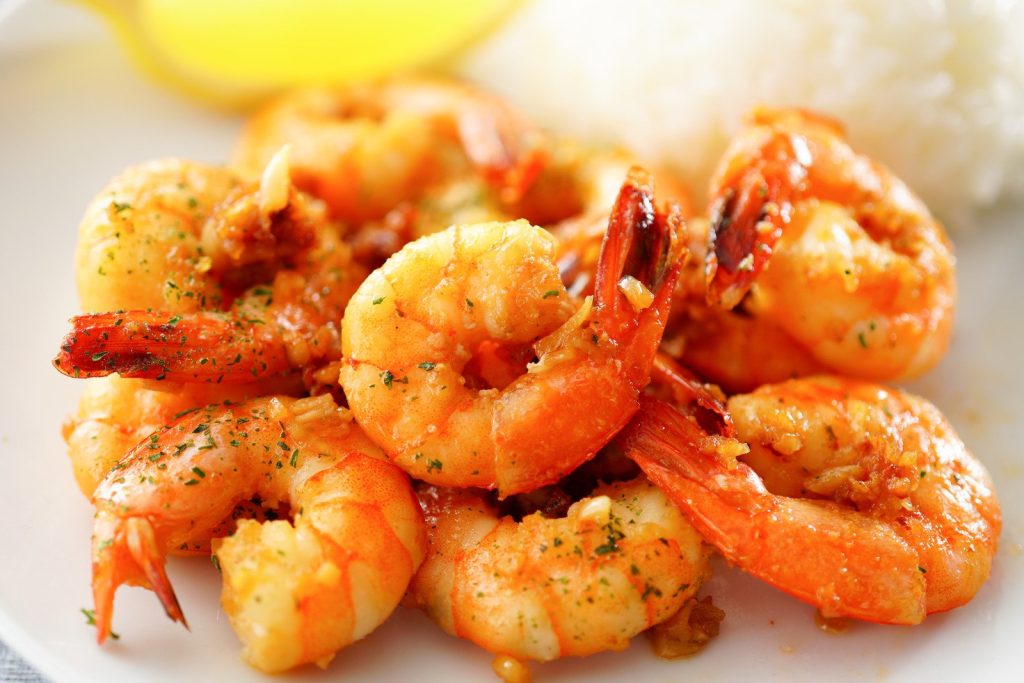
Nutritional Profile of Shrimp
Shrimp is rich in several nutrients, including:
- Protein: High-quality protein that provides all essential amino acids.
- Omega-3 Fatty Acids: Contains EPA and DHA, two important types of omega-3s.
- Minerals: A good source of selenium, iodine, phosphorus, and zinc.
- Vitamins: Contains B vitamins, especially B12 and Vitamin D.
- Cholesterol: Known for its relatively high cholesterol content, though this doesn’t necessarily impact blood cholesterol levels in most individuals.
Health Benefits of Shrimp
Shrimp is a popular seafood that is not only delicious but also packed with nutrients that offer numerous health benefits. Here’s an elaboration of the health benefits associated with consuming shrimp:
- High in Protein: Shrimp is an excellent source of lean protein, vital for growth and development, especially in children. It can help build and repair tissues and produce enzymes and hormones.
- Low in Calories: With its low-calorie content, shrimp can be an excellent option for those looking to manage their weight. It provides essential nutrients without adding excessive calories to the diet.
- Rich in Antioxidants: Shrimp contains the antioxidant astaxanthin, which has been shown to reduce inflammation and oxidative stress. This may help protect against chronic diseases such as heart disease and cancer.
- Source of Omega-3 Fatty Acids: Omega-3 fatty acids in shrimp can promote heart health by reducing triglycerides, lowering blood pressure, and preventing harmful blood clots.
- Contains Essential Vitamins and Minerals: Shrimp is rich in vitamins such as B12, which is vital for nerve health and red blood cell production. It also contains minerals like selenium, phosphorus, and iodine, which support thyroid function, immune function, and bone health.
- Supports Brain Health: Shrimp’s Omega-3 fatty acids may benefit brain health by enhancing cognitive function, reducing symptoms of depression, and supporting the growth of neural tissues.
- Good for Eye Health: The antioxidants in shrimp, including astaxanthin, may protect the eyes from age-related macular degeneration and cataracts.
- Improves Hair and Skin Health: Shrimp’s protein, vitamins, and minerals can support healthy hair and skin by providing structural support and enhancing appearance.
- Reduces the Risk of Chronic Diseases: Shrimp’s anti-inflammatory properties may reduce the risk of chronic conditions like heart disease, obesity, and diabetes.
- Supports Digestive Health: Shrimp’s protein content supports digestion, while its zinc content aids the body in digesting and metabolizing nutrients.
- Good Source of Iron: Iron in shrimp is necessary for transporting oxygen in the blood, and deficiency can lead to anemia.
Shrimp is a nutrient-dense food that offers a range of health benefits, from supporting heart and brain health to promoting healthy growth and development. Including shrimp in a balanced diet can support overall well-being, but it’s essential to consider its origin and individual health factors like allergies.
Creative Ways to Serve Shrimp to Kids
Serving shrimp to children can be an enjoyable culinary adventure, as this versatile seafood pairs well with many flavors. Here are some creative and kid-friendly ways to serve shrimp:
- Shrimp Tacos with Mild Salsa: Serve shrimp in a soft taco shell with lettuce, cheese, and mild salsa. Kids can have fun building their tacos!
- Coconut-Crusted Shrimp: Coat shrimp in shredded coconut and breadcrumbs and bake until crispy. Serve with a mild dipping sauce.
- Shrimp Skewers: Thread shrimp onto skewers with vegetables like cherry tomatoes and bell peppers, then grill. Serve with a child-friendly dip like yogurt-based ranch.
- Shrimp and Cheese Quesadillas: Mix cooked shrimp with cheese, fold into a tortilla, and then grill.
- Shrimp Fried Rice: Combine shrimp with rice, peas, carrots, and scrambled eggs for homemade fried rice.
- Shrimp Mac and Cheese: Add cooked shrimp to mac and cheese for a protein boost.
- Shrimp Pasta Salad: Toss cooked shrimp with pasta, diced cucumbers, cherry tomatoes, and a creamy dressing.
- Shrimp and Veggie Stir-Fry: Cook shrimp with colorful bell peppers and snap peas, then serve over rice or noodles.
- Shrimp Lettuce Wraps: Let children scoop shrimp salad into lettuce leaves for a fun, crunchy wrap.
- Shrimp and Avocado Boats: Fill avocado halves with shrimp, corn, and mild salsa.
- Shrimp Pizza Bites: Place a shrimp, a slice of cheese, and a dab of pizza sauce on a whole wheat cracker, then bake until melty.
- Shrimp Sushi Rolls: If your child is adventurous, make shrimp sushi rolls together using cooked shrimp, rice, and veggies.
- Shrimp Spring Rolls: Wrap shrimp, rice noodles, and julienned vegetables in rice paper for a fresh, tasty treat.
- Creamy Shrimp Dip: Blend cooked shrimp with cream cheese and herbs for a spread to enjoy with crackers or vegetable sticks.
- Shrimp Stuffed Bell Peppers: Stuff bell peppers with a mixture of cooked shrimp, rice, and mild seasonings, then bake.
- Shrimp Burger Sliders: Create shrimp patties mixed with breadcrumbs and mild seasonings, then serve on mini buns.
- Shrimp Popsicles: Bread and fry shrimp, then insert sticks into the thick end and serve with dipping sauce. They look like popsicles but are a savory treat!
- Shrimp Nachos: Layer shrimp, cheese, and mild salsa over whole grain tortilla chips, then bake.
- Shrimp and Mashed Potato Boats: Serve shrimp over a scoop of mashed potatoes for a comforting and visually appealing dish.
- Shrimp and Vegetable Muffins: Bake a mixture of shrimp, eggs, cheese, and finely chopped vegetables in muffin tins for an easy-to-eat meal.
- Shrimp and Cucumber Sandwiches: Serve shrimp salad between slices of whole grain bread or inside hollowed-out cucumber halves for a refreshing sandwich.
By presenting shrimp in these fun, innovative ways, you can create meals that appeal to children’s tastes and curiosity, helping them enjoy this nutritious, flavorful seafood.
Shrimp is a delicious, nutritious option rich in protein, omega-3 fatty acids, vitamins, and minerals. It offers flexibility in culinary applications and can be an excellent addition to a balanced diet, even for children. However, parents should watch for potential allergies and consider quality and sustainability when buying shrimp. With informed choices, shrimp can be a delightful, wholesome ingredient in many dishes and cuisines.
7. Tuna
Tuna is a saltwater fish known for its rich flavor, firm texture, and nutritional value. It’s one of the most popular types of fish consumed worldwide, available in various species and used in different culinary applications. Here’s a detailed look at tuna:
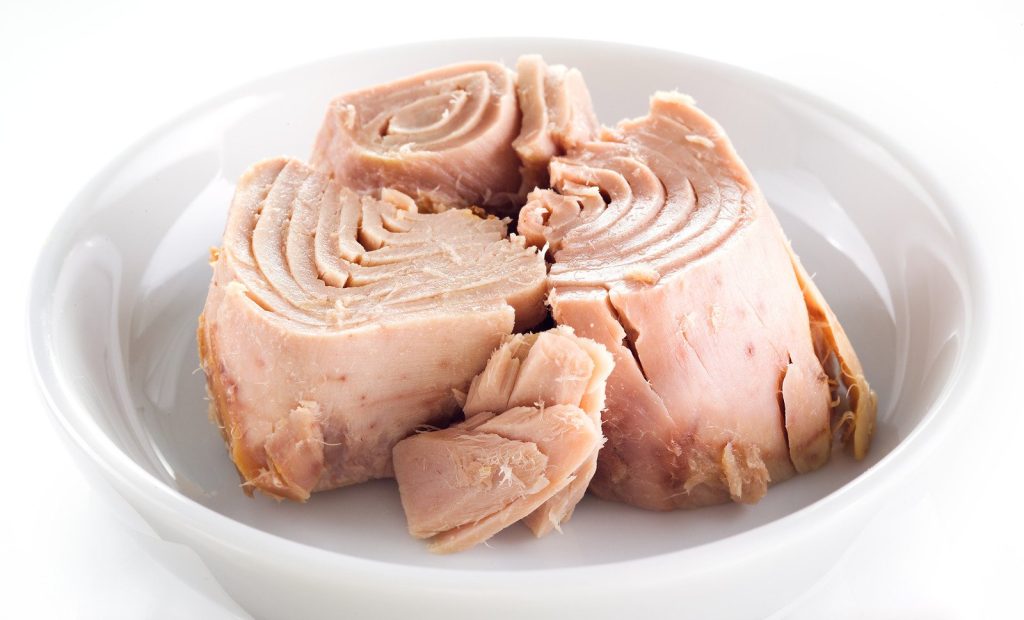
Nutritional Profile of Tuna
Tuna offers an array of essential nutrients:
- Protein: An excellent source of high-quality protein that provides all essential amino acids.
- Omega-3 Fatty Acids: Rich in omega-3s, particularly EPA and DHA, which are known for their health benefits.
- Vitamins: Contains essential vitamins like B12, niacin, and Vitamin D.
- Minerals: Good source of selenium, magnesium, and phosphorus.
Health Benefits of Tuna
- Heart Health: Omega-3 fatty acids in tuna help reduce the risk of heart diseases and promote healthy cholesterol levels.
- Brain Development: DHA supports cognitive function and brain development, particularly in children.
- Weight Management: Low in calories and high in protein, making it suitable for weight control.
- Muscle Growth: Rich protein content supports muscle growth and repair.
Culinary Uses of Tuna
Tuna can be prepared and enjoyed in various ways:
- Sushi and Sashimi: Japanese cuisine often uses Fresh, high-quality tuna.
- Grilled or Seared: Tuna steaks can be grilled or seared for a meaty texture.
- Canned Tuna: Convenient and versatile, used in salads, sandwiches, casseroles, and more.
- Tuna Salad: Mixed with mayonnaise, celery, and other ingredients for a classic dish.
Creative Ways to Serve Tuna to Kids
Tuna is a nutritious source of protein and omega-3 fatty acids, but sometimes children might find it unappealing. Here are some creative ways to serve tuna to children to make it more attractive and delicious:
- Tuna Fish Sandwiches with a Twist: Mix tuna with mayo and some chopped veggies like celery or carrots. Serve it on whole-wheat bread cut into fun shapes with cookie cutters.
- Tuna Melt Quesadillas: Place a scoop of tuna salad and cheese between the tortillas, then grill.
- Tuna Pasta Salad: Combine tuna with cooked pasta, diced veggies, and a child-friendly dressing like ranch.
- Tuna and Cheese Croquettes: Make balls or patties from a mix of tuna, mashed potatoes, and cheese, then bread and fry them.
- Tuna Sushi Rolls for Kids: Create sushi rolls using tuna, sticky rice, cucumber, and avocado. This can be a fun cooking project to do together!
- Tuna Casserole Bites: Make a tuna casserole and bake it in mini muffin tins for child-sized portions.
- Tuna Stuffed Tomatoes or Bell Peppers: Hollow out cherry tomatoes or small bell peppers and fill them with tuna salad.
- Tuna Pizza: Add tuna to a pizza along with other child-friendly toppings.
- Tuna and Vegetable Skewers: Grill or bake skewers of tuna chunks, cherry tomatoes, and bell peppers.
- Tuna Sliders: Create mini tuna burgers with tuna, bread crumbs, and seasonings. Serve on slider buns.
- Tuna Pot Pie: Make individual tuna pot pies using puff pastry or pie crust, tuna, and mixed veggies.
- Tuna and Avocado Wrap: Mix tuna with mashed avocado and spread it on a whole wheat wrap with lettuce.
- Creamy Tuna Dip: Blend tuna with cream cheese, herbs, and a little lemon juice for a tasty dip for crackers or vegetable sticks.
- Tuna-Stuffed Deviled Eggs: Mix tuna with egg yolks, mayo, and seasonings, then spoon back into the egg whites.
- Tuna and Rice Cakes: Serve tuna salad on whole-grain rice cakes.
- Tuna Cracker Stacks: Layer tuna salad, cheese, and whole grain crackers to make tasty stacks.
- Baked Tuna Nuggets: Coat tuna chunks in breadcrumbs and bake until golden brown.
- Tuna and Potato Pancakes: Mix tuna with shredded potatoes, shape into pancakes, and pan-fry.
- Tuna Mac and Cheese: Stir tuna into homemade or store-bought mac and cheese for extra protein.
- Tuna Taco Boats: Serve tuna salad in small taco shells or tortilla boats with shredded lettuce and cheese.
- Tuna and Veggie Stir Fry: Stir-fry tuna chunks with colorful vegetables and serve over rice.
- Tuna Salad in Cucumber Cups: Hollow out cucumber slices and fill with tuna salad for a refreshing snack.
- Tuna Omelets or Scrambled Eggs: Add flaked tuna to omelets or scrambled eggs, cheese, and vegetables.
- Tuna Lettuce Wraps: Serve tuna salad in lettuce leaves for a low-carb option.
These creative ideas can make tuna more appealing to children by presenting it in fun, familiar ways, blending it with flavors they enjoy, or incorporating it into interactive meals they can help prepare.
Tuna is a nutritious and versatile fish that fits well into many diets. Its high protein content, rich omega-3 fatty acids, and essential vitamins and minerals make it an excellent choice for overall health. When serving tuna, especially to children or pregnant women, it’s wise to know the type of tuna and its mercury content. Choosing responsibly sourced tuna that follows sustainable fishing practices can also support the health of our oceans. From sushi to sandwiches, tuna offers many culinary possibilities and remains a beloved choice for many families.
8. Walnuts
Walnuts are an exceptionally nutritious and versatile food rich in Omega-3 fatty acids, making them suitable for children. Here’s a closer look at why walnuts are an excellent option for children’s diets:
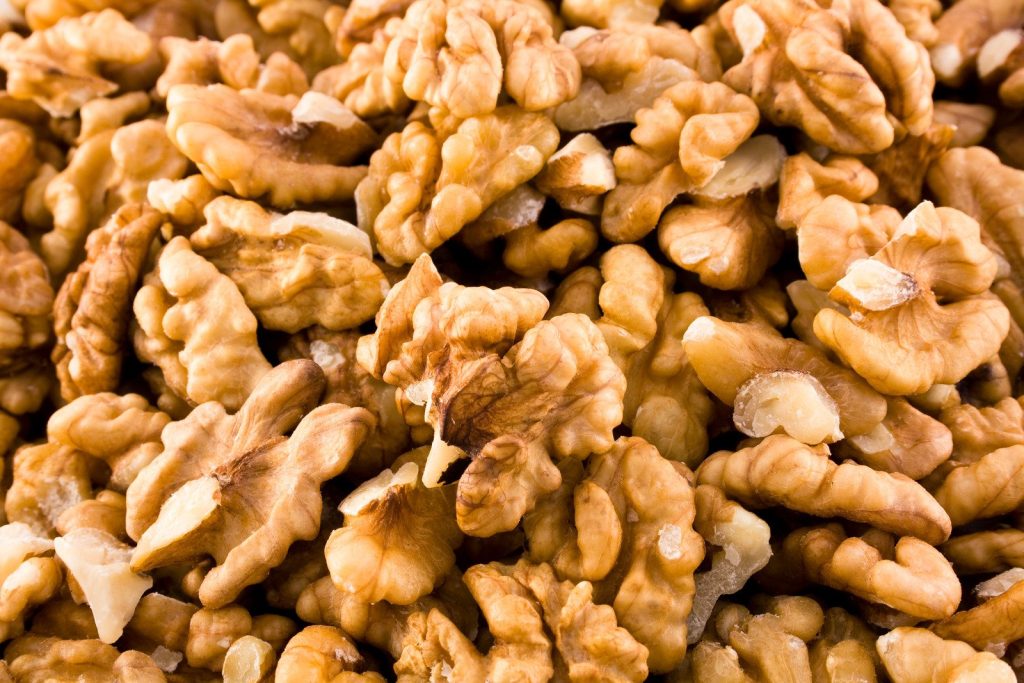
Nutritional Profile of Walnuts
Walnuts are packed with beneficial nutrients:
- Omega-3 Fatty Acids: Particularly rich in alpha-linolenic acid (ALA), a plant-based omega-3 vital for heart health.
- Proteins: Contain protein essential for growing and maintaining bodily tissues.
- Vitamins: Source of vitamins like B6, E, and folate.
- Minerals: Provide minerals such as magnesium, phosphorus, and copper.
- Dietary Fiber: Contributes to digestive health.
- Antioxidants: Rich in antioxidants, including polyphenols, protecting against cellular damage.
Benefits of Walnuts for Children:
- Brain Development: Omega-3s are essential for children’s brain growth and cognitive development. The body can convert ALA in walnuts into other forms of Omega-3s, such as EPA and DHA.
- Heart Health: Omega-3s help maintain healthy cholesterol levels and promote overall heart health, even in childhood.
- Immune Support: The nutrients in walnuts can support the immune system, which is vital for children’s health.
- Healthy Snacking: Walnuts can be a satisfying snack that provides sustained energy for active kids.
How to Include Walnuts in Kids’ Diet:
- As a Snack: A small handful of raw or roasted walnuts can be an excellent snack for older children.
- In Breakfast Foods: Add chopped walnuts to oatmeal, yogurt, or breakfast cereals.
- In Baking: Add walnuts to muffins, pancakes, or bread for added texture and nutrition.
- In Smoothies: Blending walnuts into smoothies can add creaminess and nutritional value.
- With Fruits and Cheese: Pairing walnuts with fruits or cheese can create a balanced, appealing snack or meal.
Walnuts are nutrient-dense, providing a rich source of omega-3 fatty acids, vitamins, minerals, and antioxidants. Their health benefits, from heart health to cognitive support, make them valuable to a balanced diet. Enjoy walnuts in various culinary applications, from snacking to cooking, for a versatile, tasty option.
-
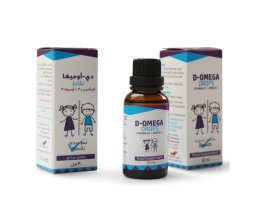 D-Omega Drops 30 ml$ 19.95
How Much Omega-3 Do Children Need?
The US National Institutes of Health sets these adequate intakes for ALA, the plant omega-3:
| Age | Daily ALA (adequate intake) |
|---|---|
| 1–3 years | 0.7 g |
| 4–8 years | 0.9 g |
| Boys 9–13 years | 1.2 g |
| Girls 9–13 years | 1.0 g |
| Boys 14–18 years | 1.6 g |
| Girls 14–18 years | 1.1 g |
There is no official daily target for DHA and EPA in children, so most guidance focuses on eating fish. The FDA and EPA advise two servings a week of low-mercury fish such as salmon, sardines, cod, shrimp or canned light tuna, with portion sizes by age:
| Age | Fish portion (2 per week) |
|---|---|
| 1–3 years | about 1 oz (28 g) |
| 4–7 years | about 2 oz (57 g) |
| 8–10 years | about 3 oz (85 g) |
| 11 years and older | about 4 oz (113 g) |
What If My Child Doesn’t Eat Fish?
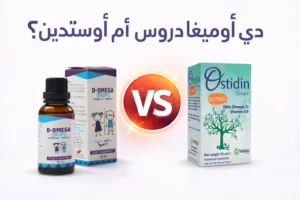
Many children refuse fish, and plant foods alone provide little DHA and EPA. In that case an omega-3 supplement made for children can help close the gap. D-Omega Drops from Goodness Care combines omega-3 (DHA/EPA) from Icelandic fish oil with vitamin D3 in an easy dropper for children aged 1 to 12. The recommended use is 20 drops a day. Ask your pharmacist or pediatrician which dose suits your child.
Frequently Asked Questions
Which food has the most omega-3 for kids?
Oily fish such as salmon, sardines and mackerel have the most DHA and EPA. Among plant foods, chia seeds and flaxseed have the most ALA.
Are eggs a good source of omega-3?
Regular eggs contain a small amount of DHA. Omega-3 enriched eggs, from hens fed flaxseed or fish oil, contain noticeably more.
Can children get enough omega-3 without fish?
They can meet their ALA needs from chia, flaxseed and walnuts, but these provide very little DHA and EPA. A children’s omega-3 supplement is an option for kids who do not eat fish.
Is tuna safe for children?
Canned light tuna is on the FDA and EPA “best choices” list. Limit albacore (white) tuna, which is higher in mercury, and follow the age-based portion sizes above.
Sources
- National Institutes of Health, Office of Dietary Supplements. Omega-3 Fatty Acids – Fact Sheet for Consumers and Health Professionals.
- U.S. Food and Drug Administration and Environmental Protection Agency. Advice About Eating Fish.